As your child approaches the end of their matric year, it’s natural to feel both excitement and concern about the future. Understanding the various educational paths and their potential career outcomes can help in making appropriate choices.
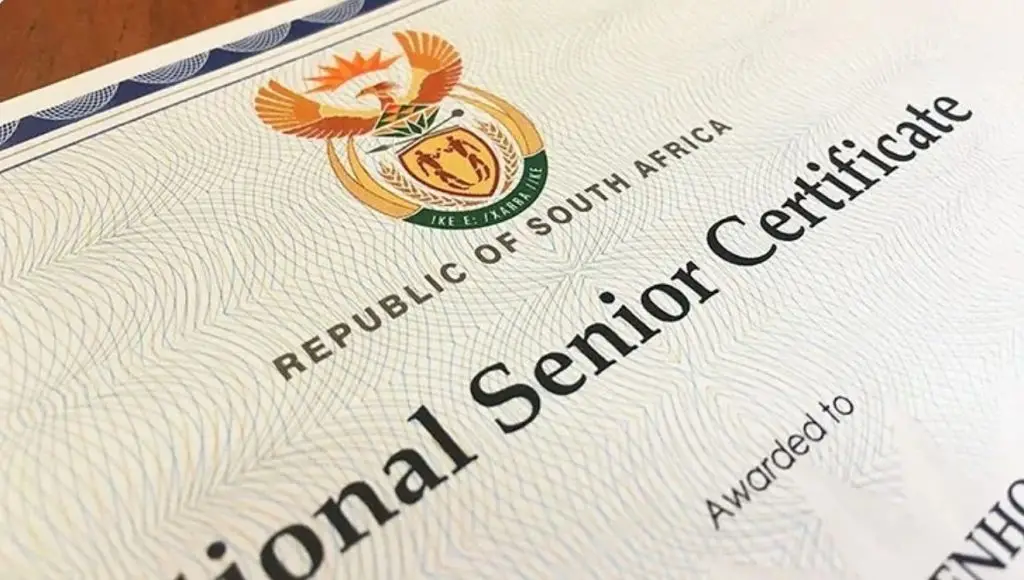
Understanding Qualification Levels:
1. Higher Certificates (NQF Level 5):
Duration: Typically one year.
Focus: Practical skills tailored to specific industries.
Career Opportunities: Graduates often start in entry-level positions such as administrative assistants, sales representatives, or technical support roles. While these roles provide valuable experience, further education may be needed for significant advancement.
2. Diplomas (NQF Level 6):
Duration: Two to three years.
Focus: In-depth knowledge and skills, often leading to higher-paying roles.
Career Opportunities: Diploma holders can access mid-level positions like junior managers, technicians, or specialized administrative roles. Fields such as information technology, engineering, and healthcare often seek diploma-qualified individuals.
3. Bachelor’s Degrees (NQF Level 7):
Duration: Three years.
Focus: Comprehensive education, preparing students for managerial and specialized positions.
Career Opportunities: Graduates are eligible for professional roles in sectors like finance, engineering, healthcare, and information technology. Positions include financial analysts, engineers, registered nurses, and software developers. These roles often require the analytical and theoretical knowledge provided by a bachelor’s degree.
Aligning Education with Market Demand
Choosing a field of study that aligns with current job market demands can enhance employability. As of November 2024, several sectors in South Africa are experiencing significant growth:
Information Technology (IT): There’s a high demand for software developers, data analysts, and cybersecurity experts. Bachelor’s degrees are often required, though diplomas with relevant experience can be sufficient.
Healthcare: Nursing and allied health professions are in demand. Diplomas and degrees are necessary, depending on the specific role.
Engineering: Civil, mechanical, and electrical engineers are sought after. A bachelor’s degree is typically required.
Finance: Financial analysts and accountants are needed, with bachelor’s degrees being the standard requirement.
Making Appropriate Choices
When guiding your child through these choices, consider the following:
Interests and Strengths: Aligning studies with personal passions and skills can lead to greater satisfaction and success.
Duration and Commitment: Assess the time required for each qualification and ensure it fits personal and professional plans.
Study Mode: Determine whether full-time, part-time, or distance learning suits your child’s lifestyle.