South Africa’s Silent Crisis: Rising Newborn and Stillbirth Deaths Need Urgent Attention
Every parent dreams of welcoming their baby into the world with joy and celebration. But for too many families in South Africa, this dream ends in heartbreak. A recent report from Statistics South Africa (Stats SA) has revealed a disturbing rise in perinatal deaths – babies dying either before birth (stillbirths) or within the first week of life.
This isn’t just a set of numbers — it’s a national wake-up call.
What the Numbers Are Telling Us
The Stats SA report looked at data from 2016 to 2020 and here’s what stood out:
In 2020 alone, over 24,000 babies died at or shortly after birth.
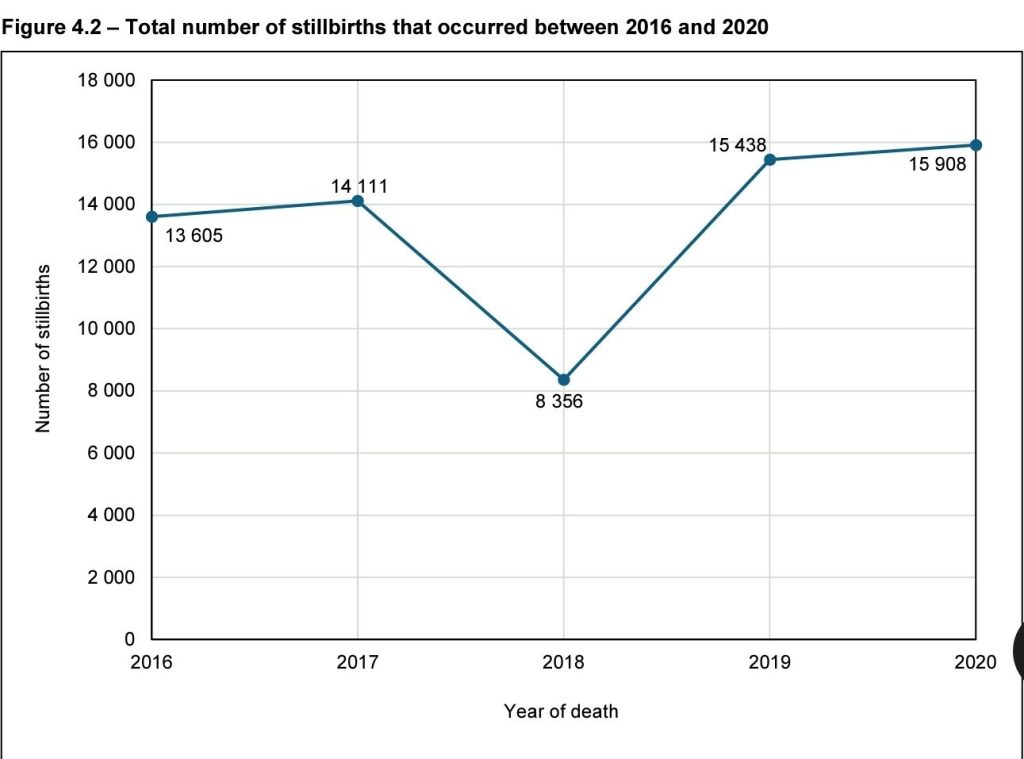
Stillbirths (babies born with no signs of life) went up to 15,908, more than double the number in 1997.
Early neonatal deaths (babies dying in the first 7 days) reached 8,212 in 2020.
A shocking 1 in 3 newborn deaths happened on the day the baby was born.
By the third day, more than two-thirds of these babies had already passed away.
These are not just statistics — they are sons and daughters, future leaders, and beloved family members lost too soon.
Boys at Higher Risk
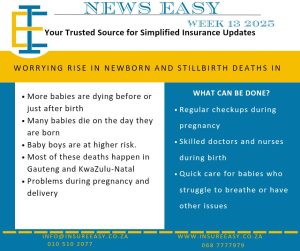
The report also found that baby boys are at higher risk. In some years, there were 135 male deaths for every 100 female deaths. This trend highlights the need for more focused care during those crucial first days of life.
Where Is It Happening?
The highest number of perinatal deaths were reported in:
Gauteng (27.7%)
KwaZulu-Natal (21.7%)
The Northern Cape reported the lowest numbers, consistently under 5%.
What’s Causing These Deaths?
Many stillbirths were linked to complications during pregnancy, labour, and delivery.
Most newborn deaths were due to breathing and heart problems immediately after birth.
This points to a need for stronger healthcare systems, especially in maternity wards and neonatal units.
What Can Be Done?
Here’s what needs to happen — urgently:
Better prenatal care for expectant mothers, especially in rural and underserved communities.
Skilled doctors and nurses present at deliveries.
Emergency care and equipment for babies struggling to breathe or who are born too early.
Education and awareness for families to recognize pregnancy warning signs early.
Final Thoughts
The loss of a baby is a tragedy no family should have to face, especially when many of these deaths are preventable. This report is a loud alarm — calling on government, healthcare providers, and communities to do more. Every life matters. Every heartbeat counts.